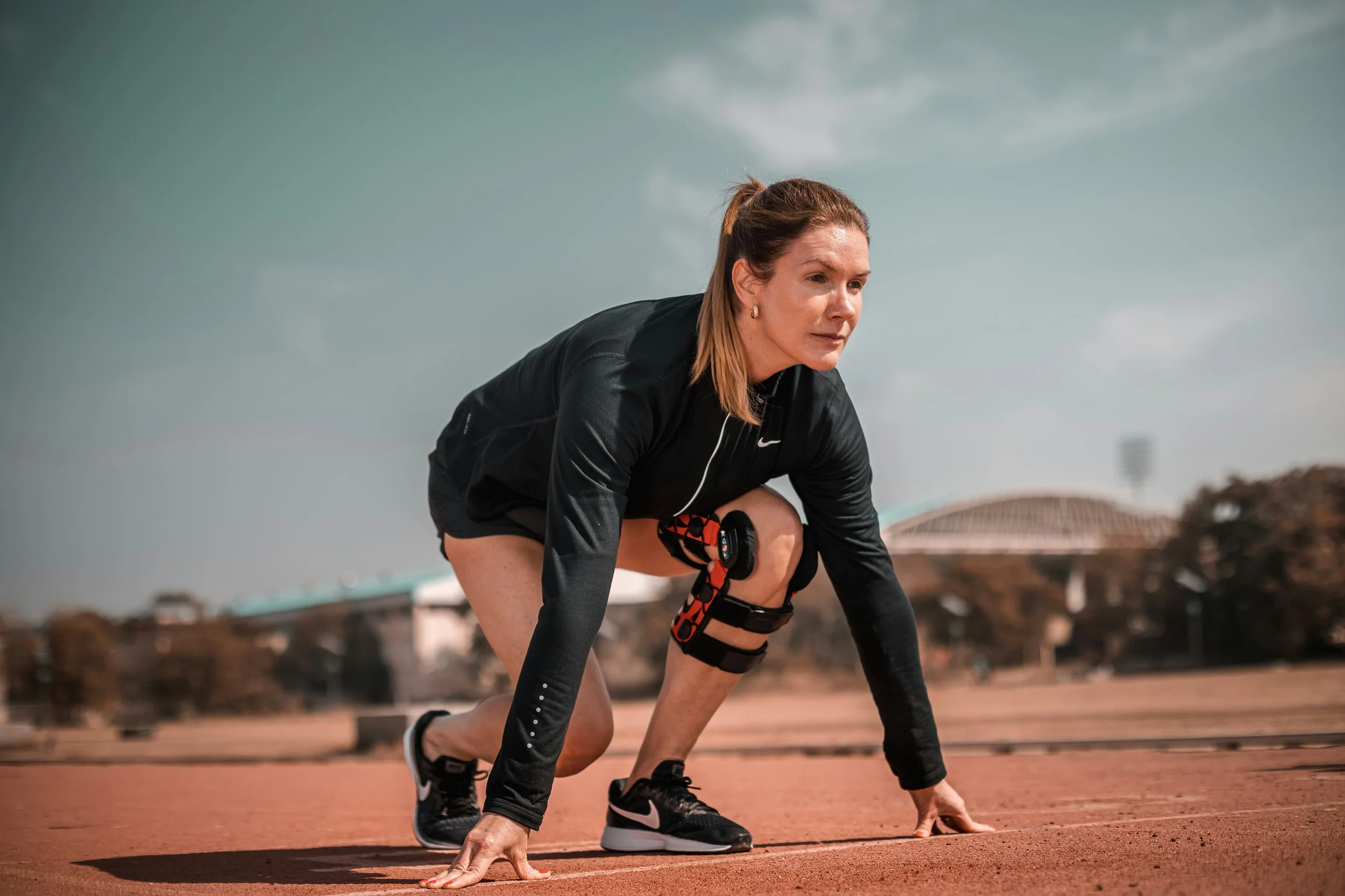
Mental Resilience for Athletes
Navigate Injury, Burnout & Setbacks
Learn how to rebuild mental strength after injury, burnout, or challenging seasons.
You're Not Alone in This
If you've ever:
👉felt stuck in recovery, questioning whether you'll ever feel like yourself again
👉wondered if you're mentally tough enough to come back from an injury or disappointing season
👉struggled with motivation, energy, or confidence after taking time off
👉felt overwhelmed by setbacks that seem to pile up faster than you can handle them
👉lost your sense of identity when you can't train or compete the way you're used to
You're experiencing something that nearly every dedicated athlete faces at some point.
Mental resilience isn't about being unbreakable—it's about learning how to adapt, recover, and keep moving forward when things don't go as planned.
❌Resilience isn't a fixed trait
✅It's a set of learnable skills that can be developed over time.
And building those skills doesn't just help you bounce back; it helps you grow stronger and more adaptable in the process.
Why Mental Resilience Matters for Long-Term Athletic Success
Mental resilience is your ability to navigate adversity, adapt to unexpected challenges, and maintain your well-being even when progress feels slow or uncertain.

It helps you:
Stay engaged with your sport during periods of forced rest or limited training
Manage the emotional weight of injury, illness, or underperformance
Rebuild confidence after setbacks without falling into self-criticism
Prevent burnout by recognizing early warning signs and adjusting course
Maintain perspective and find meaning in your athletic journey, even during hard seasons
What Can Shift When Athletes Develop Mental Resilience?

Working on mental resilience doesn't guarantee a perfect recovery or eliminate every challenge you'll face.
But it can create meaningful changes in how you experience and respond to difficulty.
✅ Greater emotional flexibility: work with frustration, disappointment, and uncertainty instead of trying to push them away.
✅ Improved decision-making: better equipped to listen to your body, honor rest, and avoid the pressure to rush back too soon.
✅Stronger sense of self beyond performance: your identity expands beyond results, helping you stay grounded during setbacks.
✅More sustainable training habits: develop the awareness and tools to prevent burnout.
✅Faster psychological recovery: reduce the mental toll of setbacks and maintain a healthier relationship with sport.
✅Connection to a bigger picture: find ways to stay engaged, set meaningful goals, and maintain purpose even when you're not competing at full capacity.
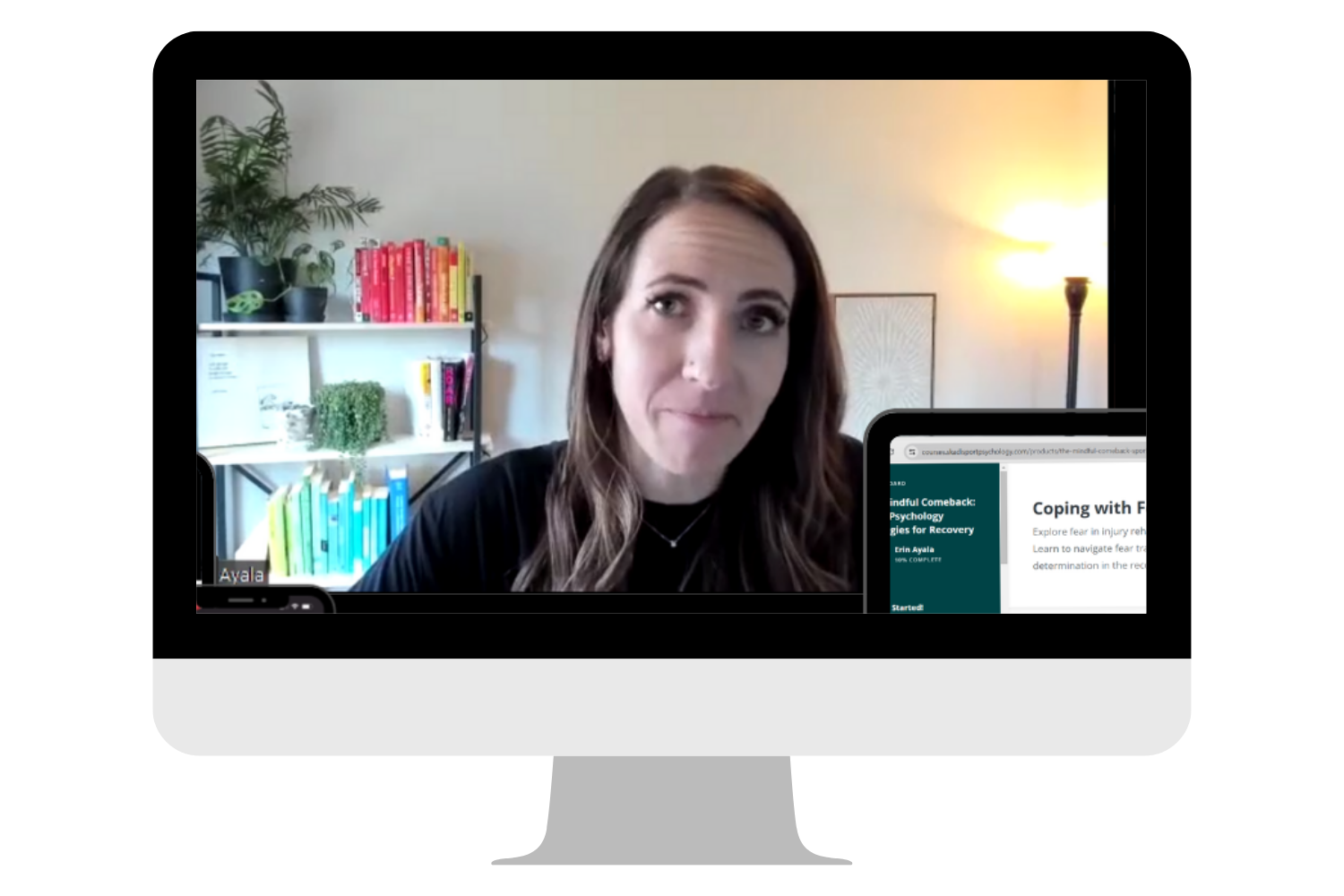
Navigating injury recovery?
Watch our free webinar to learn the skills that elite athletes use to recover faster — and come back stronger.
Why Athletes Work with Skadi
At Skadi, we specialize in helping athletes develop mental resilience that supports both performance and well-being, especially during the challenging seasons when things don't go according to plan.
✅ Here’s what sets us apart:
We’ve been there. We’re athletes and coaches who understand what it's like to face injury, burnout, and uncertainty firsthand.
Action-Oriented: We use evidence-based sport psychology techniques and adapt them to fit the real-world demands of training, competing, and recovering.
Judgement-Free Zone: Struggle is part of the athletic journey. We help you work through setbacks without shame, pressure, or unrealistic timelines.
Trusted by Athletes Across All Sports & Levels
190+
athletes supported (and counting!)
sports represented
30+
donated to charitable causes
$10k+
“I noticed a huge improvement in my outlook regarding continuing in my sport. I tend to be more gracious with myself now and am making progress with incorporating mindfulness in my recovery.”
Core Areas of
Mental Resilience & Recovery
MANAGING
STRESS
Recovery periods often come with unexpected stress. You might feel pressure to return quickly, worry about losing fitness, or struggle with the loss of your training routine.
✅Managing stress effectively helps you stay grounded and make decisions that support your long-term health.
REBUILDING
CONFIDENCE
Injury and underperformance can shake your confidence in ways that linger long after the physical recovery is complete.
✅Reconnect with your strengths, set realistic expectations, and learn to trust your body and abilities again.
BURNOUT
& PREVENTION
Burnout can creep in slowly through overtraining, chronic stress, or loss of motivation.
✅Recognize the early warning signs and developing strategies to prevent burnout.
COPING
MECHANISMS
Injuries aren't just physical, they carry an emotional weight that can include grief, frustration, anxiety, and isolation.
✅Working through these emotions is a critical part of the recovery process.
TRANSITION
BACK TO SPORT
Transitioning back to training can be just as challenging as the recovery period between pressure to prove yourself and fear reinjury.
✅A balanced return focuses on gradual progress, self-compassion, and realistic goal-setting.
FAQs
Common questions we encounter about mental resilience & recovery
-
Mental resilience is the ability to adapt to challenges, recover from setbacks, and maintain your well-being when things don't go as planned. It includes skills like managing stress, navigating difficult emotions, rebuilding confidence, and staying engaged with your goals even during periods of uncertainty or forced rest. Resilience isn't about being mentally tough all the time, it's about having tools to support yourself through adversity.
-
There's no universal timeline. Mental recovery depends on many factors, including the nature of the setback, your support system, your history with similar challenges, and the coping strategies you have available. Some athletes notice shifts within weeks, while others need months to feel like themselves again.
What matters most is approaching recovery with patience and giving yourself permission to heal at your own pace. -
Yes. Sport psychology can support the emotional and mental aspects of injury recovery, including managing anxiety, rebuilding confidence, coping with frustration, and staying motivated during rehabilitation.
While it doesn't replace physical therapy or medical care, it complements those supports by addressing the psychological side of healing.
-
Burnout typically involves a combination of physical exhaustion, reduced motivation, decreased performance, and emotional detachment from your sport. It can sometimes overlap with depression, overtraining syndrome, or other health conditions. If you're unsure what you're experiencing, it's worth seeking support from a healthcare provider or sport psychologist who can help you understand what's happening and explore appropriate next steps.
We also have a blog post HERE on the topic to help get you started. -
Doubting your mental strength during recovery is incredibly common, and it doesn't mean you lack resilience. In fact, acknowledging that you're struggling takes courage.
Mental resilience can be developed and strengthened over time with the right support and strategies. You don't have to have it all figured out before you start working on it.
-
Absolutely not. Athletes often feel pressure to be self-sufficient, but reaching out for support is a sign of awareness, not weakness.
Working with a sport psychologist, therapist, or mental performance consultant can provide you with tools, perspective, and encouragement that make the recovery process more manageable.
-
Not at all. Mental resilience skills are valuable for athletes navigating all kinds of challenges: minor injuries, rough training blocks, disappointing performances, life transitions, or simply feeling stuck or unmotivated. You don't need to be in crisis to benefit from support.
Related Resources for Mental Resilience & Recovery
Hand-picked resources to help build the mental skills to navigate setbacks and come back stronger.
-
![The Ultimate Guide to Athlete Injury Recovery and Sport Psychology Techniques for Peak Performance]()
Injury Recovery
-
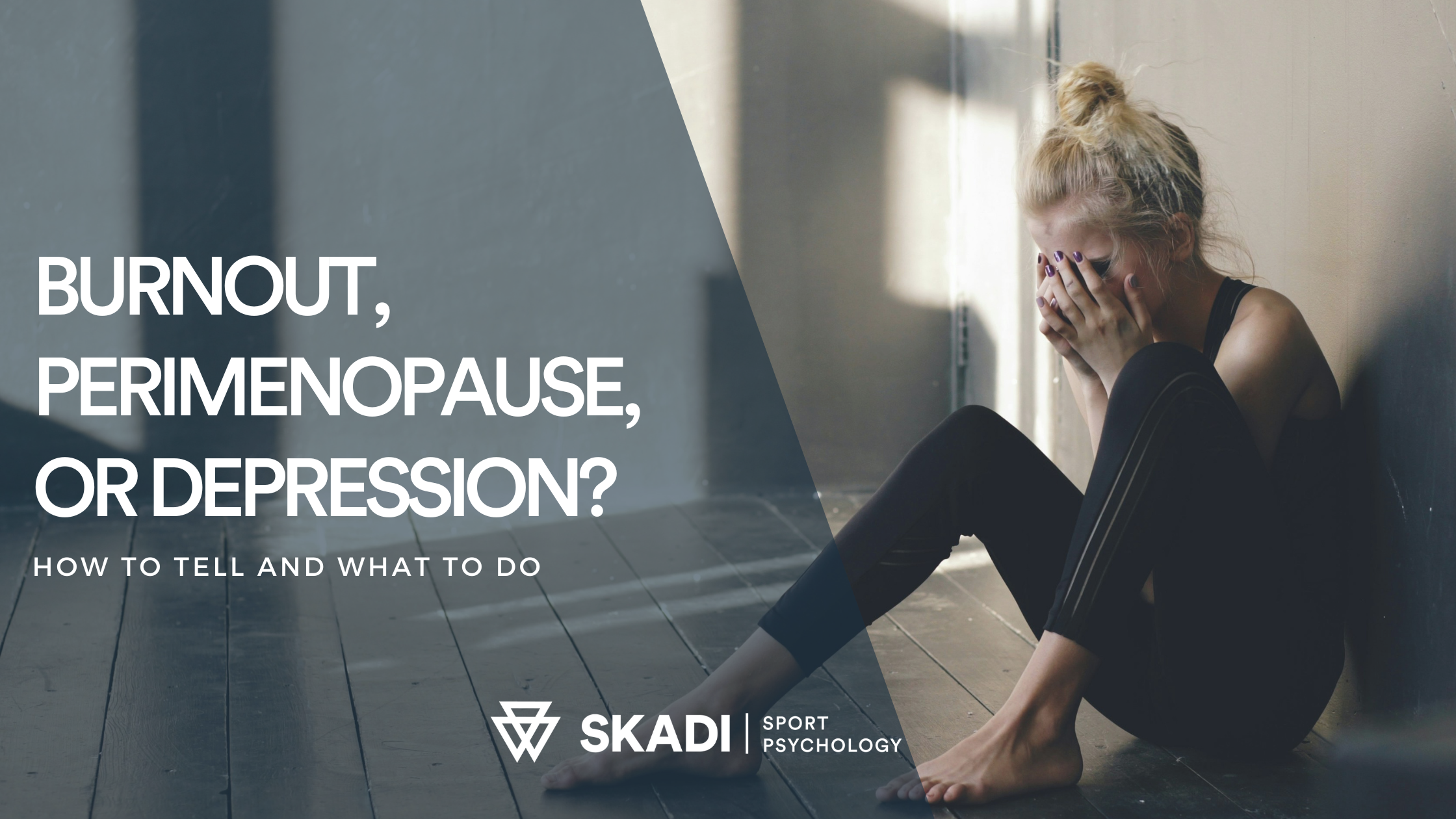
![Burnout, Perimenopause, or Depression? How to Tell and What to Do]()
Burnout
-
![Training with Complex Health Conditions: A Comprehensive Guide]()
Complex Health Conditions
-
![Picking Yourself Up After a DNF]()
Disappointment
-
![How to Incorporate Rest and Recovery in Training]()
Rest + Recovery



You Don't Have to Navigate This Alone
Recovery—whether from injury, burnout, or a challenging season—can feel isolating. You might feel pressure to bounce back quickly, worry that you're falling behind, or wonder if you'll ever feel like yourself again.
Mental resilience isn't about doing it all on your own. It's about having the right support, tools, and perspective to move through adversity without losing yourself in the process.
We're here to help you develop the skills and confidence you need to keep moving forward.