


Train Your Nervous System to Perform Under Pressure
Your body already knows how to move from stress into recovery. Chronic stress, chronic illness, and years of pushing through can make that shift harder to find. We measure it, and then we teach you how to do it on demand.
Who This Training is For
Heart rate variability (HRV) biofeedback is a research-backed way to strengthen your body's own capacity to self-regulate. It tends to fit people who are:
Living with a chronic health condition and a body that never quite stands down
Managing chronic pain, fatigue, or gut symptoms that haven't responded to other treatments
Carrying long-term stress from work, caregiving, or navigating a health care system that hasn't listened
Working through anxiety, panic, or sleep that won't come
Recovering from injury, illness, or surgery
Athletes facing pre-race anxiety, or training that has stopped feeling sustainable
Curious about what your nervous system is actually capable of, and willing to practice
Dr. Erin Ayala is a licensed psychologist and certified mental performance consultant currently pursuing BCIA biofeedback certification. She offers personalized HRV training to help you build regulation you can rely on, whether the pressure you're under is a start line, a flare, or a Tuesday.
When Your Nervous System Gets Stuck
You know the signs:
Your heart races before a hard conversation, a scan result, or a start line, and you can't bring it down
You lie awake with your mind spinning, unable to shut off
Anxiety arrives at the worst possible moment, right when you need to be steady
You recover slowly from anything hard — a workout, a work week, a bad night — and live with a low hum of alertness
Chronic pain, digestive symptoms, or fatigue that haven't budged with other treatments
Your autonomic nervous system controls your heart rate, breathing, digestion, and stress response, and it can lose flexibility. When it does, your body stays braced whether or not there's anything to brace for.
If you have been told your symptoms are "just stress," we want to be clear about what we mean and what we don't. Being dismissed is not treatment, and stress-related does not mean imagined or self-inflicted. Bodies adapt to what they've been asked to carry — illness, pain, caregiving, being disbelieved by clinicians — and a braced nervous system is an adaptation, not a character flaw. You don't need fixing. Your nervous system needs training, and pushing harder or telling yourself to relax won't get you there.
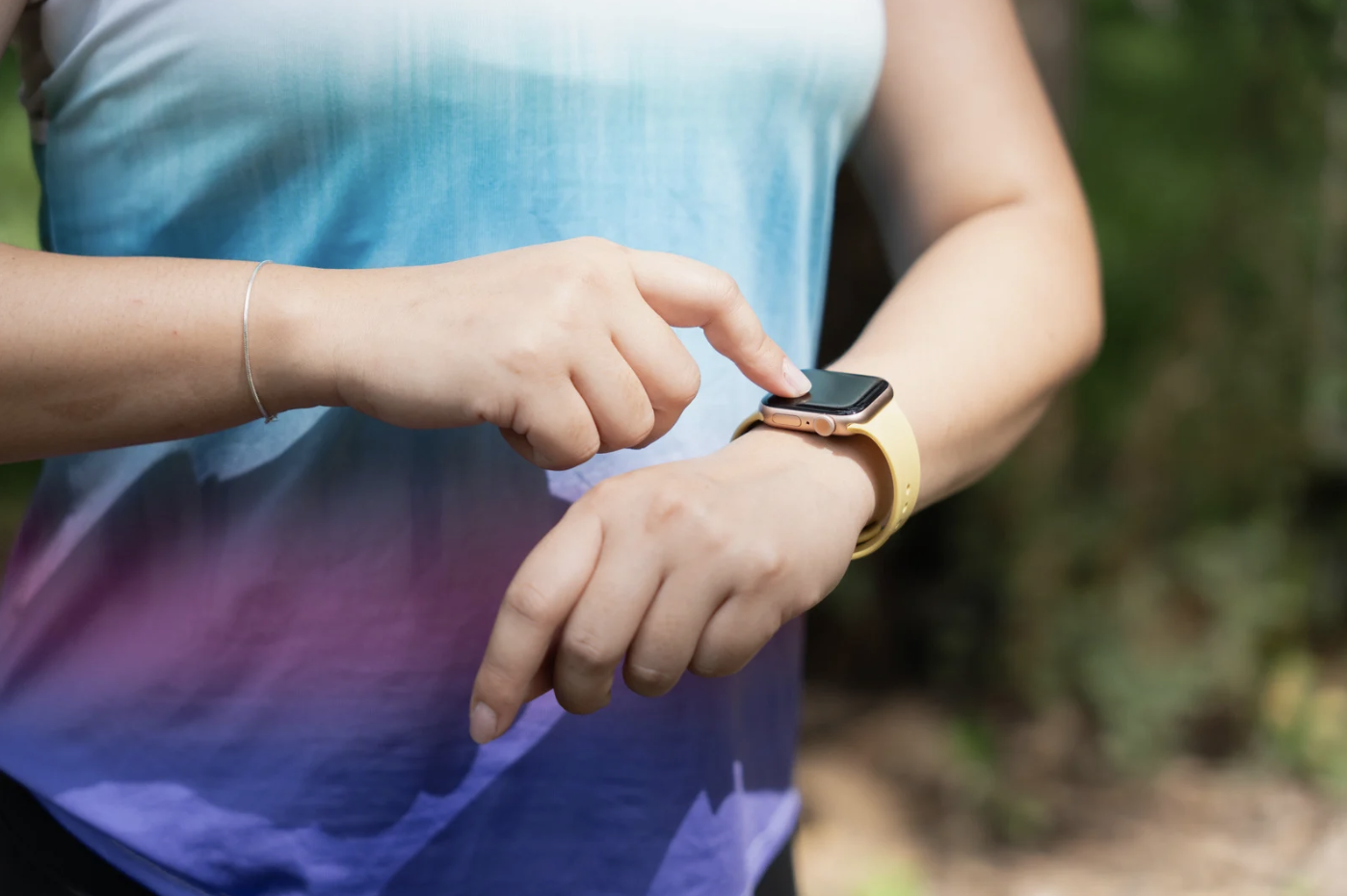

Heart rate variability measures the variation in time between your heartbeats. Think of it as your nervous system's flexibility — how smoothly you shift between activation and recovery. Higher HRV points to a system that adapts. Lower HRV often shows up alongside chronic stress, chronic illness, and exhaustion.
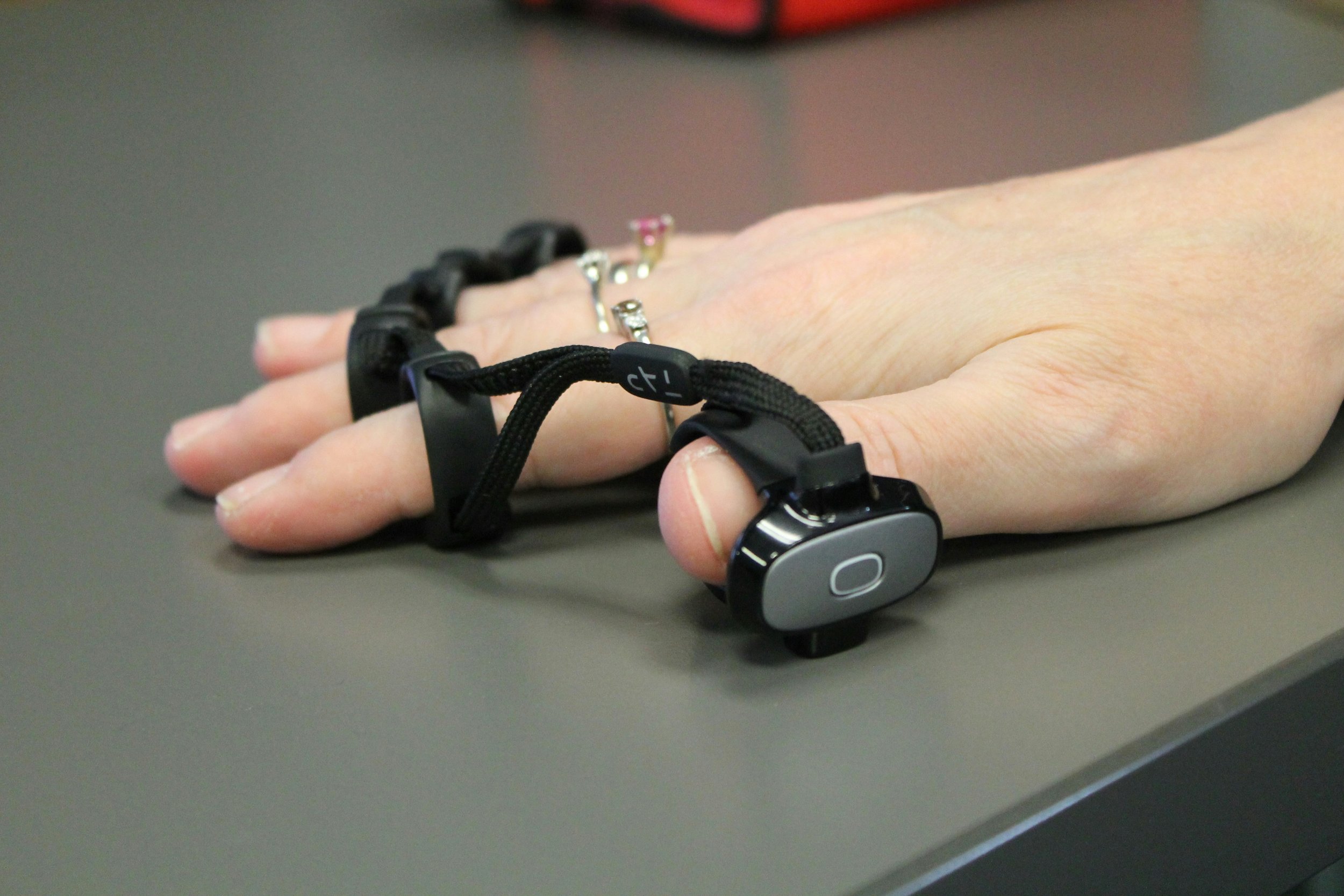
HRV biofeedback trains that adaptability directly. Using real-time physiological data, you learn to breathe at your personal resonance frequency — the pace at which your heart rate, breathing, and blood pressure reflexes fall into rhythm together and your HRV rises. Everyone's rate is a little different, which is why we measure yours instead of handing you a generic four-count.
What you can watch on the screen is the point. You get immediate feedback on what your nervous system is doing, so regulation stops being an abstraction and becomes something you can see, repeat, and eventually do without the equipment.
What HRV Biofeedback Actually Is
What makes this approach different:
A licensed psychologist doing the training. You get someone qualified to work with anxiety, chronic illness adjustment, and behavior change, not a breathing app with a subscription fee.
Measured, not guessed. Your resonance frequency comes out of physiological testing during a dedicated session.
Honest about the evidence. Some of what HRV biofeedback does is well established. Some is promising and unsettled. We tell you which is which before you commit twelve weeks.
Built around your life. People arrive here with flares, fatigue, travel, caregiving, and jobs. The practice plan has to survive contact with all of that.
Alongside your medical care, not instead of it. HRV training complements treatment for chronic conditions. Nothing here replaces your physician, your medication, or your care team.
The Session Breakdown
-
Your first session establishes your baseline and reveals how your nervous system currently responds to stress.
What happens:
Stress & Relaxation Profile: We measure your physiological responses (heart rate, breathing, muscle tension, skin conductance) during baseline rest, standardized stressors, and recovery periods
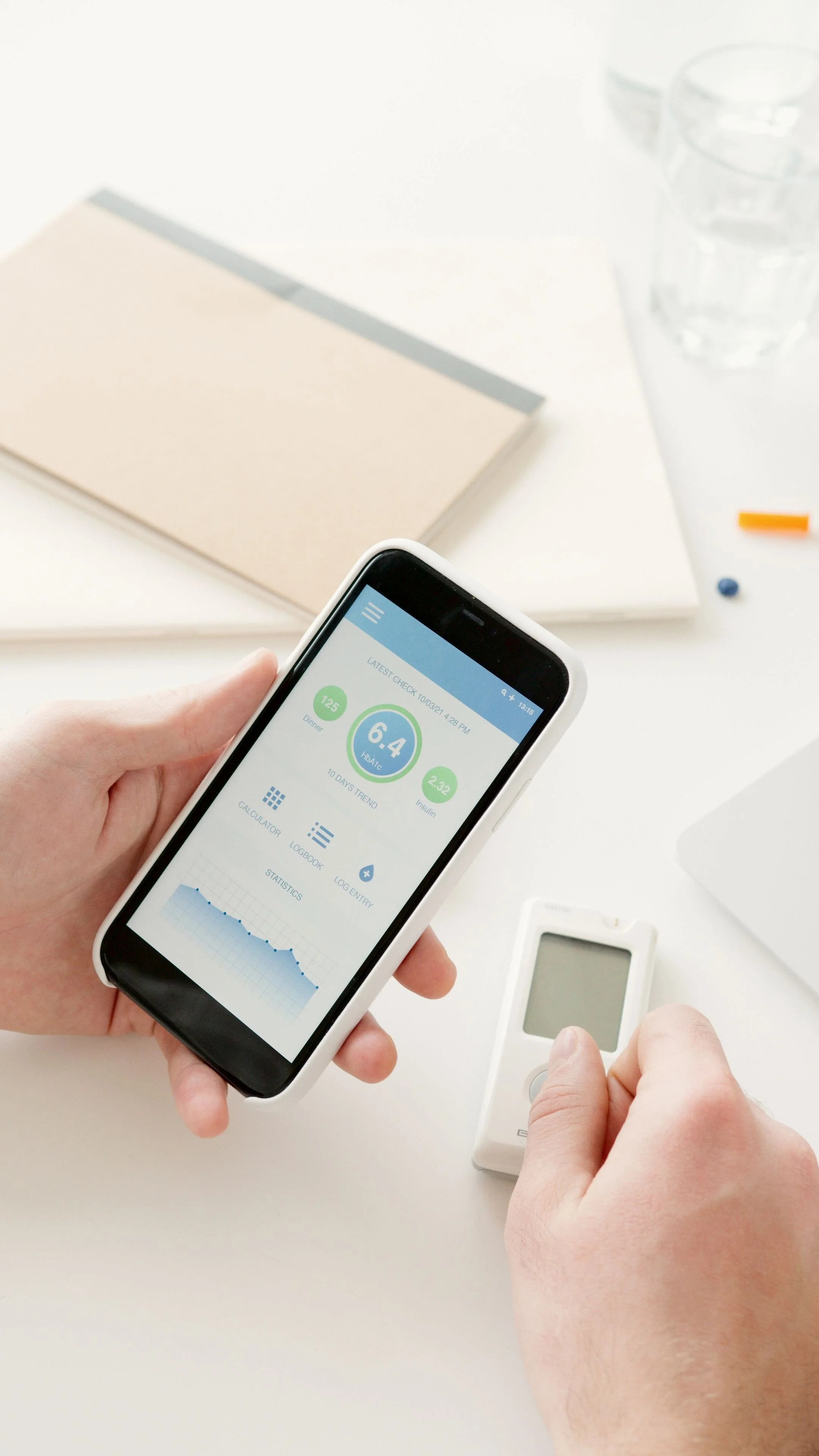
Baseline HRV measurement: Establish your current HRV levels
Education: Learn about your autonomic nervous system and how HRV biofeedback works
Home practice assignment: Begin daily morning HRV tracking
You'll leave knowing:
How your nervous system responds to stress
Your baseline HRV and physiological patterns
What you'll track at home between sessions
-
We introduce the foundational breathing skills that prepare you for resonance frequency training.
What happens:
Review home HRV tracking data: Identify patterns from your first week
Teach diaphragmatic breathing: Learn low, slow belly breathing with real-time biofeedback
Introduce slow breathing progression: Practice reducing breathing rate from 10 to 6 breaths per minute
CO2 tolerance education: Understand why slowing your breath feels uncomfortable initially
Home practice:
Continue daily HRV tracking
Practice diaphragmatic breathing 10 minutes, 2x daily
Gradually slow breathing rate (10 → 8 → 6 bpm over the week)
-
We identify YOUR unique resonance frequency—the precise breathing rate that maximizes YOUR HRV.
What happens:
RF assessment: Breathe at 6 different rates (7, 6.5, 6, 5.5, 5, 4.5 breaths per minute) for 1.5-2 minutes each while we measure your HRV
Identify your RF: Analyze which rate produces your highest HRV and best heart rate-breath synchrony
Practice RF breathing with biofeedback: Learn to breathe at your personal RF using visual feedback
Wean from pacer: Practice finding your RF rhythm without relying on external pacing
Home practice:
RF breathing at YOUR rate: 10-15 minutes daily (building from 5 minutes initially)
Continue daily HRV tracking
Use breathing pacer app as needed, but practice without it regularly
-
Ongoing sessions refine your technique and teach you to apply RF breathing in real-world situations.
What happens :
Monitor progress: Review your HRV improvements and daily practice data
Refine technique: Practice RF breathing with biofeedback, increase duration to 20 minutes daily
Troubleshoot challenges: Address barriers to practice, adjust breathing rate if needed
Teach applications:
Pre-performance breathing (before races, presentations, high-pressure events)
Real-time state shifting (2-5 minute resets when stressed)
HRV guided training decisions (using morning HRV to adjust workout intensity)
Advanced skills: Combine RF breathing with mindfulness, practice during mild stressors
By session 6, you will:
Breathe at your RF autonomously (without pacer)
Apply RF breathing strategically before/during stressful situations
Use morning HRV data to guide daily decisions
Have a sustainable home practice routine (20 minutes daily)
-
Periodic check-ins (monthly or as needed) to:
Monitor long-term HRV trends
Refine applications for specific goals
Maintain accountability and motivation
Address new challenges
What the Work Asks of You
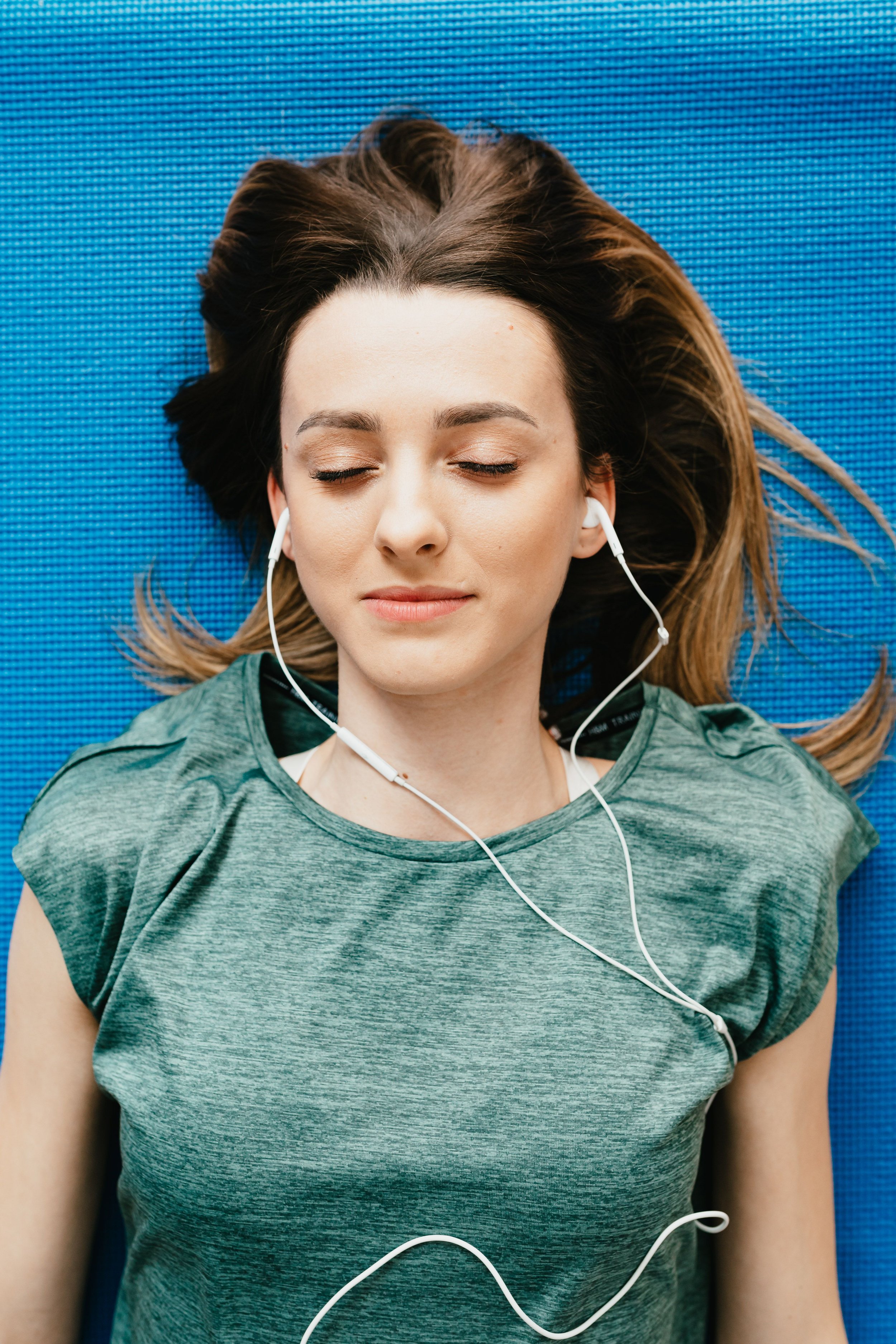
HRV biofeedback works when you practice. Most research protocols run eight to twelve weeks, with weekly sessions and daily practice in between, and that's the structure most clients follow here. Some people notice changes in sleep or reactivity earlier. Some need the full stretch.
Daily practice means:
10 to 20 minutes a day, building gradually from ten
Patience while your nervous system adapts, including on the days nothing seems to be happening
Sticking with it through the flat stretch in the middle, which nearly everyone hits
This is skill-building, closer to learning an instrument or building strength than to taking a medication. You practice, your nervous system adapts, and what you're building is a durable improvement in how well your body regulates stress, recovery, and arousal — a skill that lives in you rather than in a device.
Who HRV Training Helps

Why Train With Dr. Erin Ayala
Licensed Psychologist (PhD, LP)
Dr. Ayala holds a doctorate in counseling psychology and is licensed in 42+ states through PSYPACT. She brings depth in mental health, chronic illness adjustment, performance psychology, and the science of behavior change.
Certified Mental Performance Consultant (CMPC)
Certification in sport and performance psychology, applied to anyone who has to function under pressure — on a start line, in a meeting, or in a specialist's waiting room.
Pursuing BCIA Biofeedback Certification
Currently completing requirements for Board Certification in Biofeedback through the Biofeedback Certification International Alliance, the field's recognized standard.
She Has Been on the Other Side of It
As an endurance athlete, Dr. Ayala knows what pre-race anxiety, injury recovery, and training through hard stretches actually feel like from the inside. Professional expertise and lived experience, in the same room.
Evidence-Based, Including the Inconvenient Parts
Skadi grounds every service in peer-reviewed research, which means being straight with you about where the evidence is strong and where it's still developing.
Virtual and In-Person
Train from anywhere through secure telehealth, or come to the Minneapolis office. Sessions are built to work around flares, fatigue, and travel.
Frequently Asked Questions
-
An app gives you a pace someone else picked. We measure yours. Your resonance frequency is specific to you, and training at the wrong rate gives you a pleasant few minutes without the physiological effect you're after. You also get a licensed psychologist watching your data with you and adjusting when something isn't working.
-
It may help with the stress, anxiety, and sleep difficulty that travel alongside chronic illness — that's where the evidence is strongest. For pain and gut symptoms directly, the research is promising and not yet settled, and we'll talk honestly about that on the consultation. HRV training works alongside your medical care and doesn't replace any part of it.
-
It describes an autonomic nervous system that has lost some of its flexibility — slow to settle after stress, quick to activate, or stuck in a low-grade braced state. You feel it as poor sleep, a short fuse, slow recovery, or symptoms that flare when you're under pressure.
-
Most protocols run eight to twelve weeks. Some people notice sleep or reactivity shifting earlier. What you're building is a skill, and skills follow practice more than they follow calendars.
-
Good. Skepticism is a reasonable response to a wellness industry that overpromises constantly. HRV biofeedback produces data you can watch in real time, which means you don't have to take anyone's word for whether it's working. Bring the skepticism to the consultation.
-
Yes. Most of the research behind HRV biofeedback was conducted with non-athletes, and most people who train here are simply living with stress, illness, or anxiety that has outlasted their capacity to absorb it.

Ready to Start?
HRV training builds a nervous system that can handle what it's asked to handle. When you train your body's own regulation mechanisms, you're working toward:
✅ Faster recovery from stress, illness, and hard efforts
✅ Better sleep and reduced anxiety
✅ Steadier function under pressure
✅ A skill you carry with you, available anywhere, with or without a device
The work is real: ten to twenty minutes a day, most days, over eight to twelve weeks. The research is clear that HRV biofeedback produces measurable, lasting improvement in stress and anxiety for people who put the practice in.
Start with a free 15-minute consultation to:
Find out whether HRV training fits your goals and your health picture
Ask about the process, the cost, and the time it takes
Hear honestly what the evidence supports for your situation
Decide whether Dr. Ayala is the right fit for you