The Mindful
Comeback
Your roadmap to navigating the mental side of physical recovery.
Getting injured sucks.
One day you’re following your training plan and progressing toward your next race, and the next day you’re not sure when your next race will even be.
Physical recovery is one thing — and we can all agree that part is really tough.
But no one ever talks about the mental and emotional hurdles you have to jump over along the way…let alone the fact that some can hold you back even more.
Your doctors and PT team will give you a plan for physical recovery.
What about a plan to get you through those extra tough days — the ones where you’re not sure you can keep going?
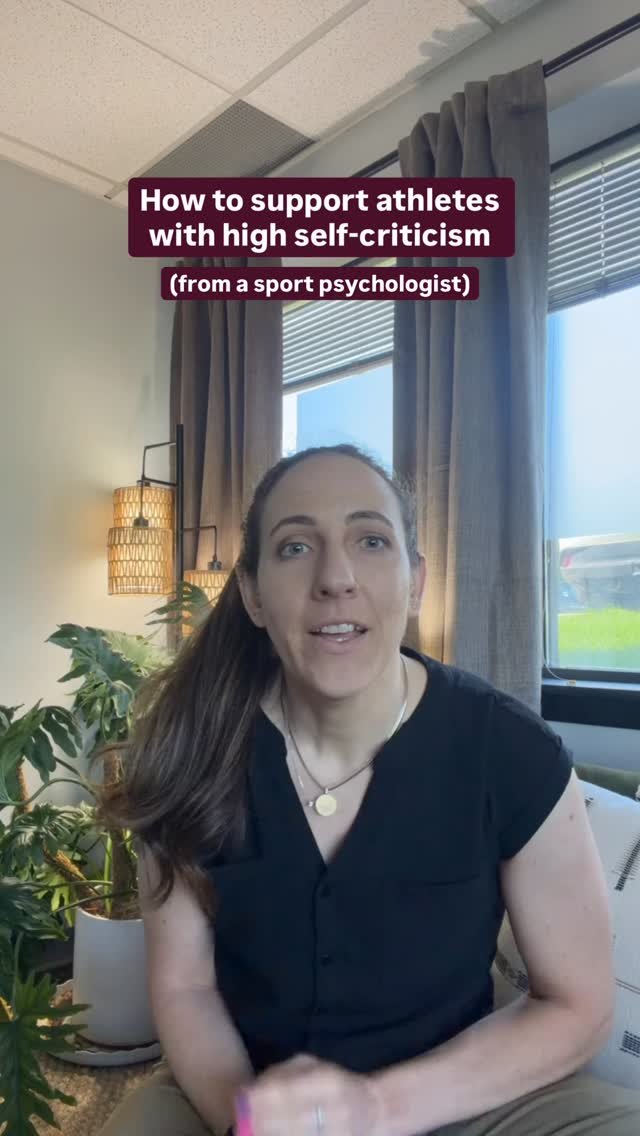
The Mindful Comeback is a comprehensive course focused on the emotional and mental aspects of recovery — created by a licensed sport psychologist who knows her stuff.
Say goodbye to self-doubt and frustration, and hello to
confidence, motivation, and a clear path forward.

With The Mindful Comeback, you’ll learn to:
☑️ Stay motivated and track your progress effectively
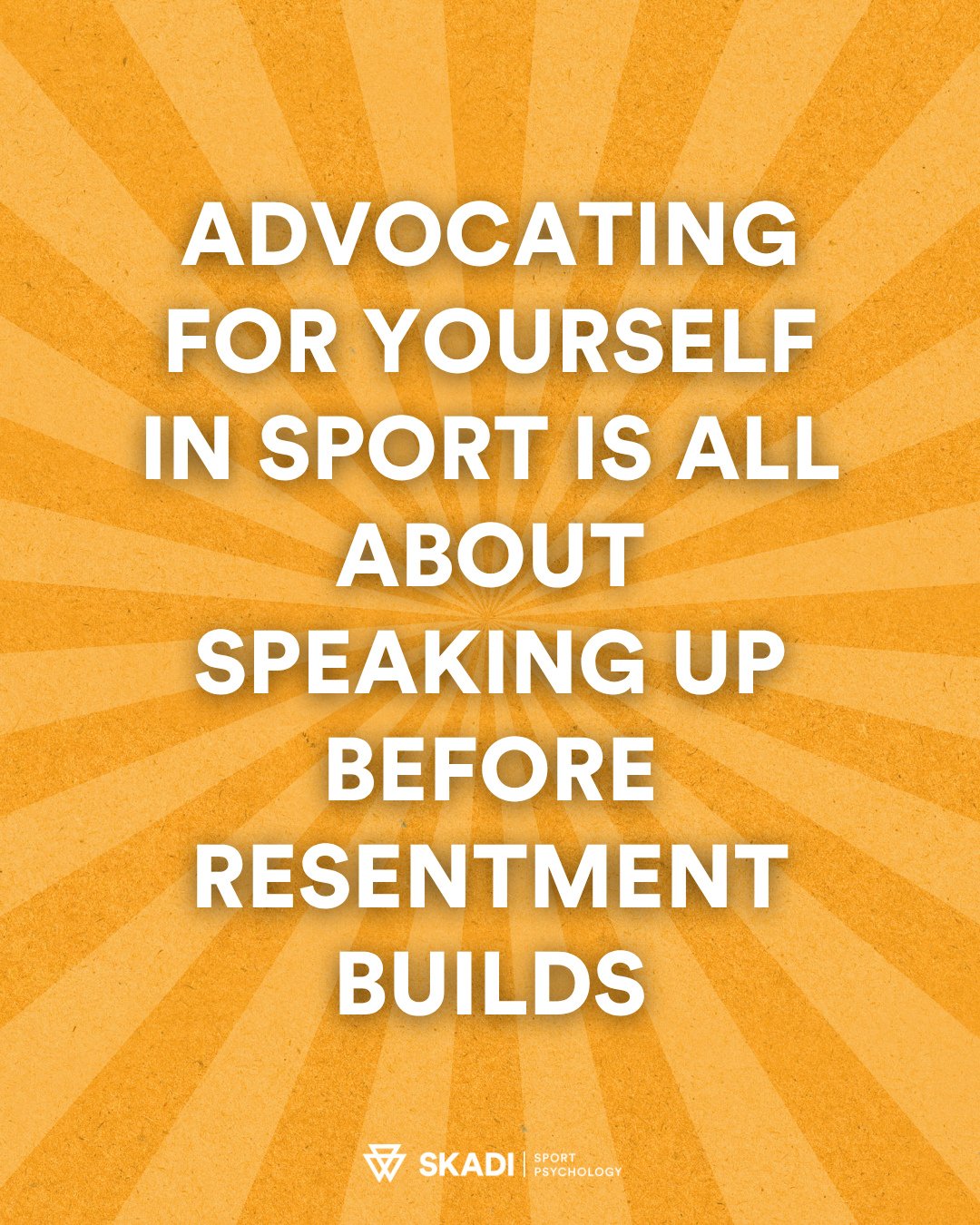
☑️ Advocate for yourself
☑️ Understand your body’s response to training
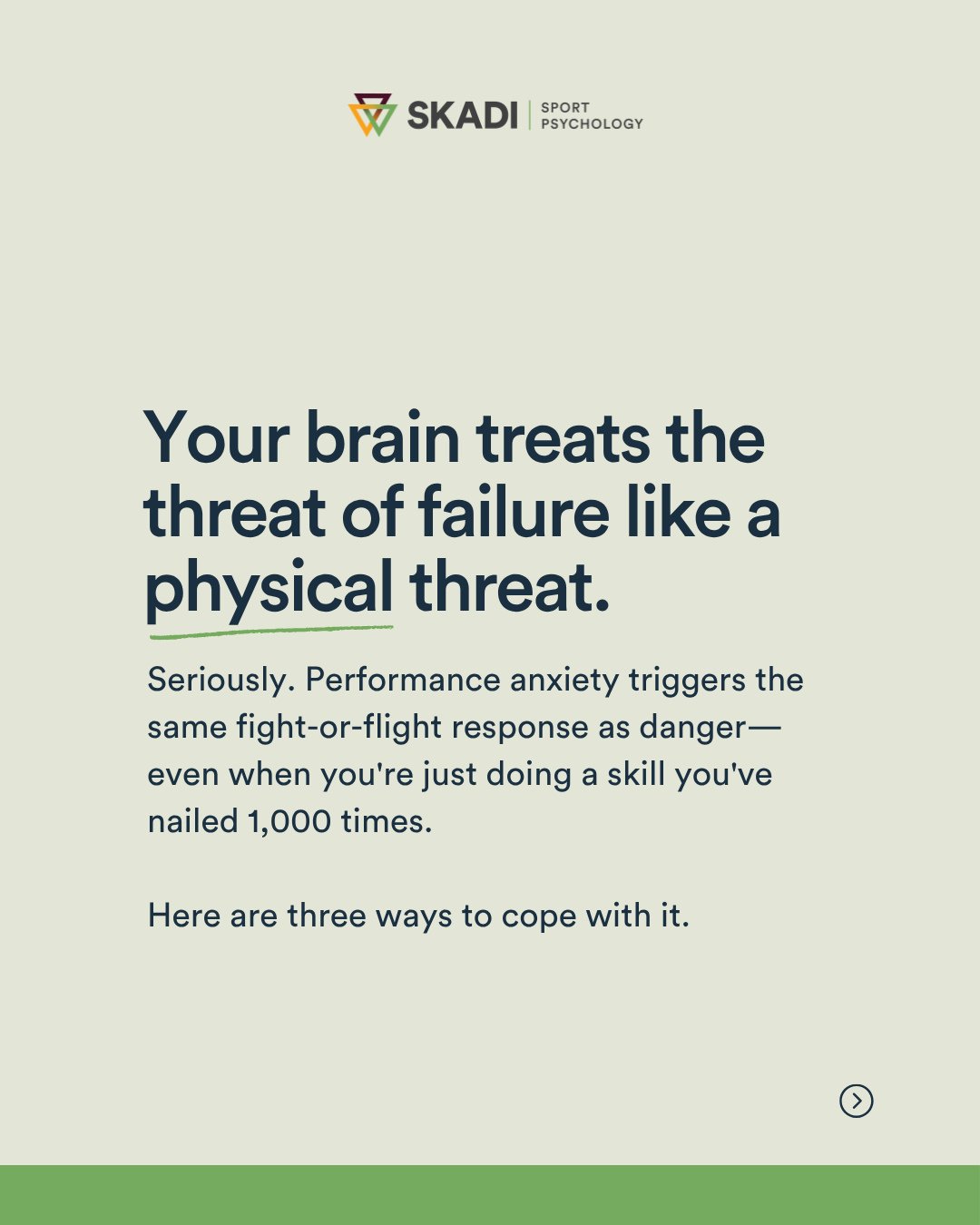
☑️ Put your inner critic on the bench
☑️ Thrive after recovery
Catch a sneak peek inside
The Mindful Comeback brings sport psychology into the mix.

In this course, we’ll show you how to layer evidence-based techniques and strategies for mental health on top of your existing physical recovery plan.
The first holistic program that looks at the WHOLE athlete so you can improve your recovery process and take on your inner critic no matter its size (or how stubborn it is).
your game plan 👩🏻💻
Lesson 1:
Lean into your Social Support Crew. A lot of athletes hate asking for help! We’ll tell you how.
Lesson 2:
Build a Supportive Care Team. It can be tough to find the right healthcare providers. We’ll let you know what credentials to look for.
Lesson 3:
Track progress, set process goals, manage expectations, and set realistic recovery timelines.
Lesson 4:
Gradual Return to Training: This part is tough for athletes. We talk through how to listen to your body and adapt when needed.
Lesson 5:
Sleep Well and Fuel Well: Learn the importance of effective fueling (& how to do it), as well as how to become a sleeping champion.
Lesson 6:
Balance Patience with Resilience and Grit: All about how to maintain a resilient mindset that supports your recovery instead of hurting it.
Lesson 7:
Stop beating yourself up, tackle mental hurdles, handle emotions, and stay on top of mood and anxiety concerns.
Lesson 8:
Stress Management: Learn to rest, enjoy other activities, build a good exercise relationship, & prepare for post-sports life.
your playbook 📓
Lesson 9:
Take goal setting to the next level. Identify your top three values for a smoother and more rewarding goal setting journey.
Lesson 10:
Come to terms with self-sabotage. Some of your actions aid healing & return to sport. Some hinder progress. We’ll help you spot both.
Lesson 11:
Deal with unpleasant thoughts: Apply cognitive techniques to overcome setbacks with grit and grace.
Lesson 12:
Deal with unpleasant emotions. Get curious about your feelings, question your assumptions, and control impulses.
Lesson 13:
Deal with unpleasant situations. Face reality, understand causes, & accept your injury rather than trying to ignore it or override it.
Lesson 14:
Navigate fear of reinjury. Respond to fear traps and apply techniques so that fear doesn’t hold you back from the important stuff.
Unpopular opinion fact:
The best way to navigate your recovery is to invite your gnarly thoughts and feelings along for the ride.
Ignoring difficult thoughts and feelings won't make them disappear.
It might bring some temporary comfort, but it won’t help you in the long run.
Traditional injury recovery methods often prioritize the physical but overlook the importance of mental resilience.
Facing your doubts, fears, and frustrations head on doesn’t make you weak or a failure. Once you understand them, they can become valuable signals and tools to use along your healing journey.
Game changer.
Here’s how it works 👇🏻
Step 1: Get curious
We’ll shine a light on the emotional skeletons in your injury recovery closet so you can understand and address them effectively.
Step 2: Get resilient
Learn to take setbacks in stride. They’ll still suck — but they don’t have to ruin your day.
Step 3: Get your game plan
Set realistic goals, use healthy coping mechanisms, and play the self-care long game.
Step 4: Get thriving
These tools work beyond right-now rehab. Apply your fresh perspective to the bigger picture to balance your athletic pursuits with the rest of your life.
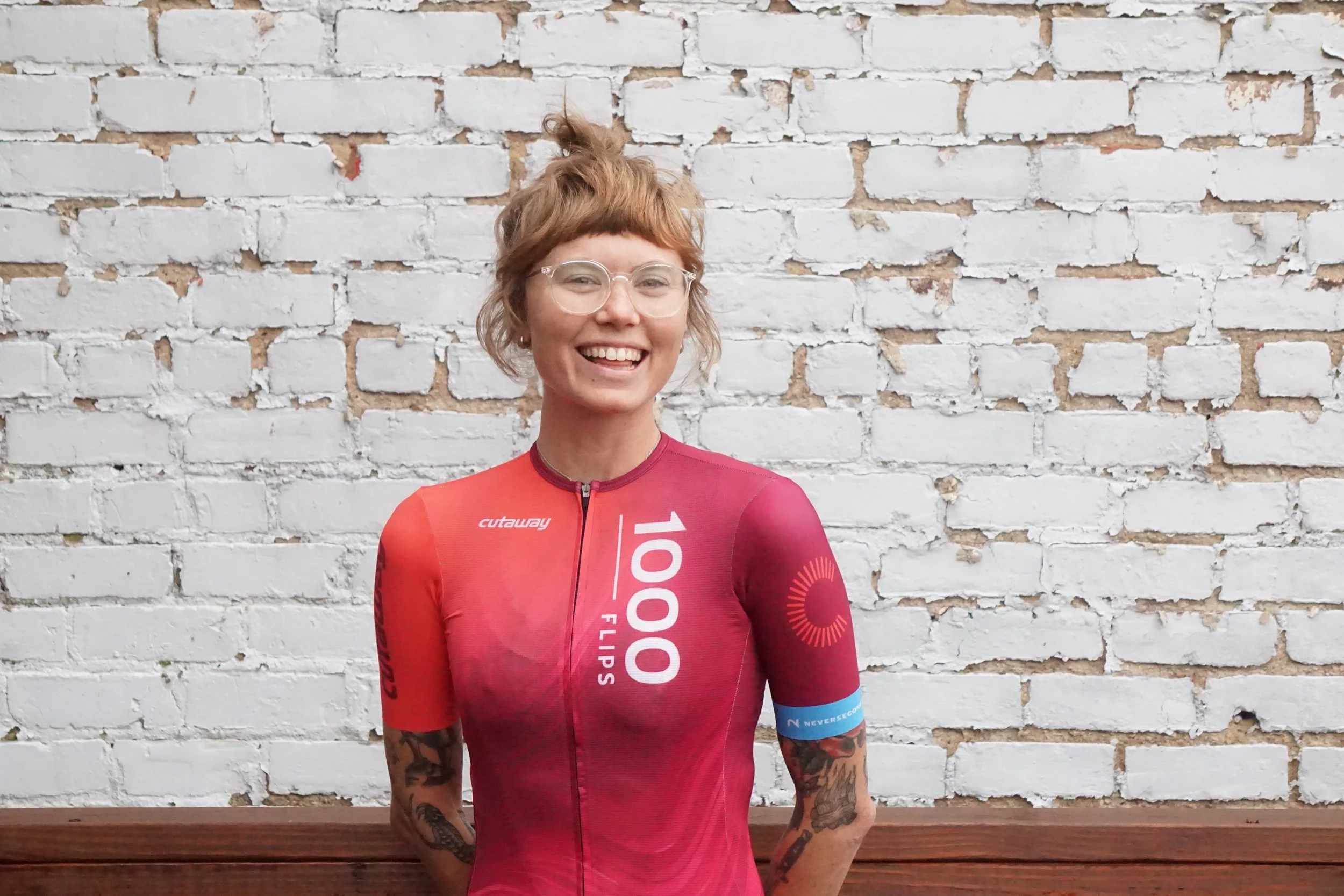
Hey Hi Hello! 👋 I’m Dr. Ayala

I’m a licensed sport psychologist, published researcher, and avid endurance athlete who brings a blend of clinical & research expertise to my work in health and performance. As a cyclist and as a sport psychologist who works with all types of athletes, I’ve seen (and experienced) my fair share of injuries.
One thing I’ve noticed is that athletes usually receive a physical road map for their recovery. But what about a mental road map?
I turned to empirical research–and sure enough, there was a lot about fears and anxieties about returning to training and competition–but not a whole lot about what athletes can be doing during their rehabilitation process.
As a former professor who still conducts and publishes research, I decided to fill the gap by doing a full-fledged research study. I interviewed 40+ Subject Matter Experts and I asked them one question: What are the thoughts, feelings, and actions that athletes need to optimize their injury rehabilitation process?
After crunching a bunch of numbers, I was able to streamline the content and make it digestible and accessible so that it’s not stuck behind an academic journal’s paywall. And voila! That’s what you get in this course.
-
![Two individuals wearing martial arts gis, one with a black belt and the other with a blue belt. The person with the black belt appears to be adjusting the other's belt in a room with lockers and a TV in the background.]()
“Learning about opposite action as a strategy to address negative thoughts and feelings has been HUGE for me! I hadn’t really heard of this before but I find it so effective in managing distress both as applied to injury recovery and just regular life stuff.”
-Megan, Brazilian Jiu Jitsu
-
![Testimonial photo-Grace]()
“I’ve noticed a huge improvement in my outlook regarding continuing in my sport. I tend to be more gracious with myself now and am making progress with incorporating mindfulness in my recovery. This course really covered the entire range of emotions that you feel as an injured athlete and addresses ways to handle these feelings.”
-Grace, road cycling
-
![Woman with long blonde hair, wearing a denim jacket, smiling outdoors with blurred trees in the background.]()
“It has significantly changed my perspectives of what it means to be injured, even as a recreational athlete. Additionally, the program has provided me numerous tools to navigate the process of rehab and going forward from here, while learning more about myself in the process. I thoroughly enjoyed this program an earned so many tools and strategies that I continue to employ daily during my rehab process. This program is outstanding with its resources, exercises, and reflection questions. “
-Dina, ultra runner
-
![Cyclist wearing a helmet and floral-patterned cycling outfit, smiling while holding a water bottle.]()
“During the course, I actually sustained a new, acute injury. Having worked through the course definitely caused me to respond to my new injury differently and more proactively than I would have before! Although this injury is annoying, I am feeling really optimistic and confident that it will heal and I’ll be able to get back to training, and I’m looking forward to using my improved mental skills as I continue to address the original nagging injury.”
-Megan, road cycling
-
![Holly]()
“The program has helped me really see and appreciate all the hard work I’ve been doing in my recovery and allowed me to see some of the gaps I still have in my care team and recovery journey. It gave me a boost of motivation to keep up the hard day-to-day work and help recognize behaviors that are supportive, and those that are less supportive in my recovery. It also gave me space to reflect on the milestones I have achieved so far and remind me it’s important to celebrate all of them no matter how big or small they feel!”
-Holly, mountain biking



Say “sign me up, coach!” and…
get everything you need for a stronger
mental game and an even better comeback
get access to evidence-based tools and strategies to identify your “why,” learn new tips & tricks for responding to your inner critic, and more so you can QUICKLY get your game back.

✅ 8 core modules covering everything from building a supportive community to prioritizing mental health and creating an exit plan.
✅ 6 modules specifically for your deeper and applied work, filled with evidence-based strategies.
✅ 20 pre-recorded, personalized coaching sessions with the one and only (me!) to provide guidance and support.
✅ 50+ page electronic journal with reflection questions for each lesson to help you dig even deeper into your personal experience with injury
✅ 50+ page electronic workbook filled with activities, self-assessments, and worksheets so you can apply the content to your specific situation
✅ Interactive symptoms log and habit tracker to support communication with your healthcare team
JOIN NOW!
2 Ways to Pay (Choose at Checkout)
Pay in Full {BEST VALUE}
SAVE MORE with a 1-time payment
$450
$350
JOIN TODAY FOR $100 OFF
3 Month Payment Plan
Get started TODAY for less than one individual session
$150/mo
$150 Today + 2 Recurring Payments
Want a preview of the topics that will be covered?
Check out the FREE Mindful Comeback Webinar
FAQs
-
Let me count the ways! Let me start with a story. Over the past several years as a sport psychologist, I’ve seen how injured athletes get physical training plans filled with plenty of PT exercises. The individual clients I’ve worked with have always had some sort of physical protocol. But what about the mental one?! I searched far and wide, scanned through journal articles and textbooks, and aside from the basic resources like online blog posts or book chapters behind payrolls, I came up with nothing. As a former professor who still does research in the field, and as someone who has an OVERWHELMING COMPULSION (for real…) to fill gaps in the field, I got to work. I gathered over 40 subject matter experts in the field of injury recovery and I asked them one question: “What are the actions, thoughts, and feelings that injured athletes need to optimize their injury rehabilitation process?” This resulted in a list of 200 items. I cleaned the data, got it down to 100 items, and then went back to my subject matter experts and asked them to do the following:
Sort the 100 items into categories based on similarity in content
Rate each item based on how important it is for athletes to do
Rate each item based on how challenging it typically is for athletes to do
What did I find? 8 core clusters that athletes need to focus on. And what did I do with those clusters? I turned them into a course. VOILA! I’m writing up that research for publication now, but research isn’t helpful when it’s limited to the ivory tower of academia. So I also turned it into a course. That is this course.
From there, I compiled some of the best tools from evidonce-based approaches to mental health therapy. I then tweaked and customized each and every one so that it was specific to injury recovery, and then created a module around it.
So, to sum it up, this course is different because the information comes from an interdisciplinary team of physical therapists, orthopedic physicians, dietitians, sport psychologists, coaches, and more. I made sense of all of the information so that it’s easy to read and digest, and then created specific exercises designed to tap into all of this great info. This course is special to me, and I’m super proud of it. You quite literally can’t find anything else like it–especially in traditional talk therapy (This is coming from a therapist. I get it! I do sport psychology for a reason!)
-
Honestly, the more stretched and pulled you feel, the more important it probably is for you to enroll. We know stress can negatively affect the injury rehabilitation process for a number of reasons.
So here’s the thing… the more you put into this course, the more you’ll get out of it. Revamping your mental skills so that they start working for you instead of against you takes time, patience, and persistence–just like the physical recovery process. Each lesson has about 15 minutes of content between the videos and the readings. Each at-home exercise will probably take another 15 minutes, depending on how serious you are about it. For real tangible results? The more consistent you are with these skills when applying them to your day-to-day life, the more they’ll help those stress levels.
I know you’re maxed out, and that might sound scary, but it’s only overwhelming if you stay on this side of the fence.
If you know right now that your current patten is unsustainable and a one-way-ticket to burnout or re-injury, then I’ll be the first to tell you that you need to find a way to block off the time.
On my end, I PROMISE to spare you from any impractical fluff and lay out exactly what you need to do to feel improvements. If you put in all of the work and you think it was a complete waste of time, email me, and we’ll figure out how to move forward in a way that feels good to both of us.
-
As long as Skadi is in business! And I have no plans on going anywhere :) If for any reason I changed online hosting platforms or my business model (which I do NOT see myself doing), I’ll make sure all of my students receive archived content and material. I care deeply about this community and I will not leave you high and dry. In fact, the course will just continue to get better and better–and YOU, my friend, will get all of the updates and improvements along the way.
-
Want some details? Here’s what we’ve got in store for you!
We first start with the getting started module, which includes a welcome lesson, instructions on how to navigate the course platform and join the online community, a bit about your instructor (me!), and an outline and objectives. You’ll then take a 15 minute assessment about your injury rehabilitation experience AND you’ll get personalized feedback on what your scores mean. These scores conveniently line up with the following course lessons. Each lesson below includes a coaching video, a reading, and a follow-up exercise for you to apply the content you learn:
-Lesson 1: Leaning into your social support network (and what this actually looks like)
-Lesson 2: How to create a robust team of healthcare providers who can guide you through your journey
-Lesson 3: Active recovery participation and what it means for the ATHLETE (you!) to take ownership over your recovery experience
-Lesson 4: How to listen to your body, understand your injury, and stay motivated to get your rehab exercises done
-Lesson 5: How to optimize nutrition and sleep (and why this is important for injured athletes)
-Lesson 6: Unpacking resilience, self-advocacy, and the skills needed to maintain an optimist mindset
-Lesson 7: Leaning into self-compassion, focusing on the bigger picture, and separating your athletic identity from other parts of your identity when needed
-Lesson 8: How to optimize your stress levels via a stress audit, prioritize mental health, and embrace holistic recovery.
And then, we’ve got the applied skills:
-Taking Goal Setting to the Next Level: Values serve as guiding principles that direct your actions and decisions, especially during injury recovery. In this lesson, we will explore the concept of values, reflect on your experiences, and identify your top three values to better navigate the journey of injury recovery.
-Coming to Terms with Self-Sabotage: We dive into the concept of “toward moves” and “away moves,” behaviors that can either help or hinder progress toward your recovery goals. Recognizing these behaviors is crucial for developing healthier coping mechanisms and ensuring a holistic recovery.
-Dealing with Unpleasant Thoughts: In this lesson, we talk about how you can combine physical rehabilitation with cognitive defusion techniques to overcome setbacks with resilience and determination.
-Dealing with Unpleasant Emotions: Learn to get curious about your feelings, question your assumptions, and control impulses for successful recovery.
-Dealing with Unpleasant Situations: Face reality, understand causes, & accept your injury rather than trying to ignore it or override it.
-Fear of Reinjury: In this lesson, we dive into the nuances of fear during injury rehabilitation, noting how self-acceptance can fuel resilience. By discussing potential fear traps and practical techniques, athletes can walk away feeling more equipped to use fear as a powerful driver for growth and determination in their journey toward recovery.
-
Given the digital nature of all of this amazing content, we do not offer refunds for courses or products, including The Mindful Comeback.
-
I recommend these materials for athletes 14 and older.
-
✔️ You're a dedicated athlete facing the challenging road of injury rehabilitation, with your main focus on a sustainable and effective recovery.
✔️ You've been trying to navigate your way through various rehabilitation programs for months (or even years) but haven't been able to find a method that truly resonates with you or provides lasting progress.
✔️ You're ALREADY investing extra time and energy doing things like researching recovery techniques, experimenting with different exercises, compensating for your injury in day-to-day activities, and seeking advice from various professionals... and you're concerned this cycle will continue until you either burn out or your recovery stalls significantly, unless something changes.
✔️ You care deeply about your sport and your return to it, and you're skeptical when you hear generic rehabilitation advice that seems outdated or irrelevant to modern understanding of sports science and psychology.
✔️ Despite past disappointments, you're currently feeling a surge of optimism, knowing that by this time tomorrow, you can start integrating a straightforward yet surprisingly effective strategy for enhancing your rehabilitation.
-
Nope! This course is designed for the everyday athlete. The weekend warrior. The student athlete who just got the news regarding their first major injury and now they're unsure where to turn.
Wanna hang? Find me on Instagram to discover little pearls of wisdom every day!